





Home Menu
Contact
Fishing boat on turquoise water beside a harbour and hillside village under a cloudy sky

The guest journey starts with an experience

HOSPACE 2026 was full of high-quality and insightful presentations and panel discussions.

The way guests discover, choose and book hotels is changing. Before reaching for technology solutions, successful hotels are focusing on better experiences, less friction and more reasons for guests to choose them.

Increasingly, a hotel search begins with a mood, an occasion or an experience, not with a hotel name, and sometimes not even with a destination.

“I want a relaxing break.”

“I want somewhere with great food and a spa.”

“I want a room with a view, somewhere we can walk into town, with something special to do in the evening.”

AI, automation and mobile booking are discussed everywhere, but the real shift is in the entire guest journey: from the first spark of inspiration to what a guest does, buys and remembers once they arrive.

7 ideas to improve digital guest journey

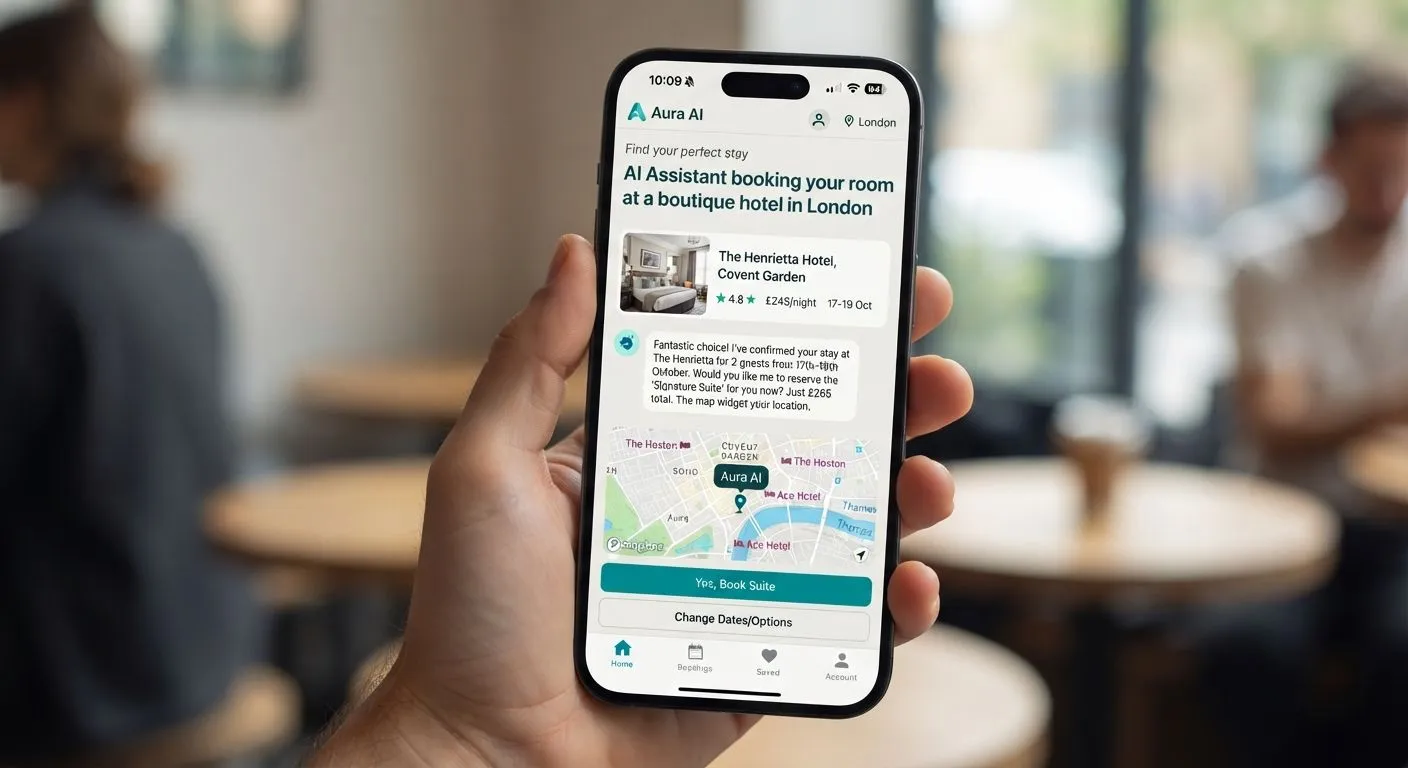
Hand holding a smartphone displaying an AI hotel booking app in a café

1. Discovery is changing

For years, the digital hotel journey was fairly predictable: search for a destination, compare hotels and prices, read reviews, visit an OTA and perhaps the hotel website, then book. AI is starting to disrupt that sequence. Guests can describe the trip they want rather than search for a particular hotel.

AI referral traffic to hotel websites remains very small, less than 1%. That is not a reason to abandon SEO, PPC or existing marketing. It is a reason to pay attention to where AI gets its answers.

According to the data cited at HOSPACE 2026, reviews influence 71% of recommendations in AI results, while around 25% of answers come from a brand’s own website. AI also draws on third-party websites, trusted travel sources and local content.

What Now?

Don’t simply collect reviews. Use them. Look for the experiences and details guests repeatedly praise, then make those strengths more visible in your marketing. Sometimes guests explain why someone should stay with you better than your website does.

2. Don’t let AI make you sound like every other hotel

Generating content has never been easier. Generating forgettable content has never been easier either. Feed the same prompt into an AI tool as 500 other hotels and you risk getting 500 versions of “Nestled in the heart of [location]…” Nobody needs more of that.

Your location, people, food, history, unusual details, guest stories and local knowledge are precisely the things AI cannot invent authentically. Use technology to communicate those things, not iron them out.

What Now?

Create targeted landing pages around guest needs, useful local guides, better FAQs, room-specific content and clearer information about booking direct. Think about your guest personas and the questions they ask at each stage, then answer them properly and in a structured way.
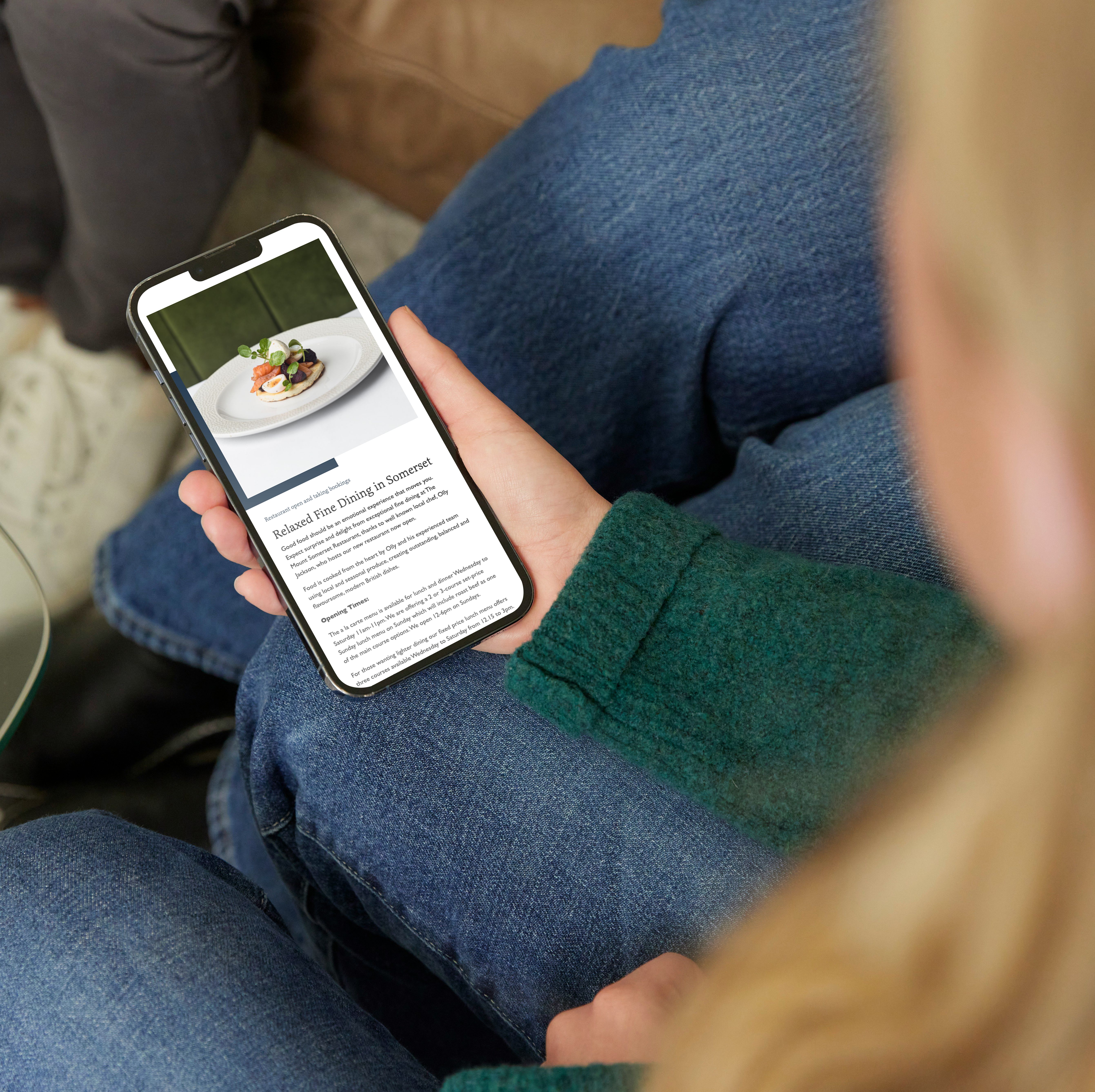
Beechfield House Mobile

3. Mobile is having another moment

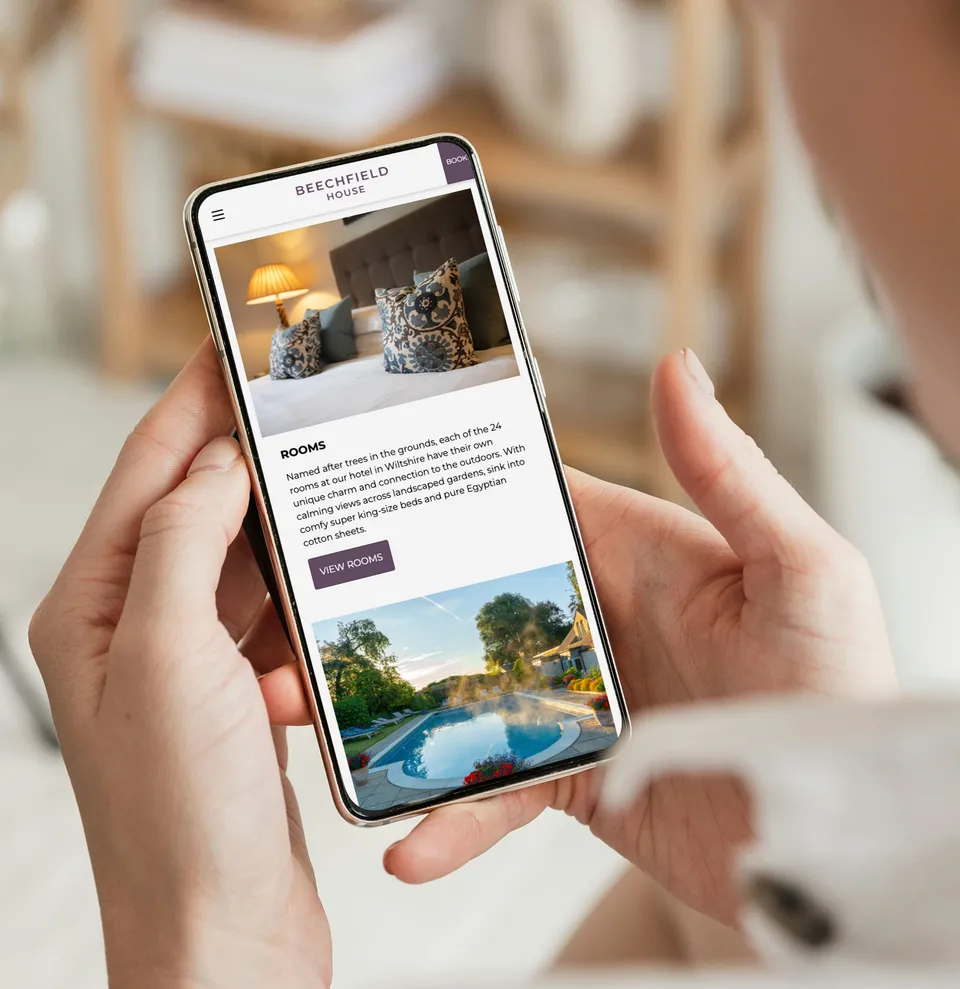
A reported 7% increase in mobile bookings in 2026 follows a period of relatively stable growth. Mobile is not simply a smaller version of desktop.

A guest might discover a hotel on Instagram, research it on Google, ask an AI assistant, read reviews and book while sitting on the sofa with a phone. Their tolerance for friction is tiny.

Payment, page speed, form length and the ability to retrieve and manage a booking all matter.

What Now?

Remove the friction, anything that makes a guest think “I’ll do this later on my laptop”. Hotel websites do not necessarily need more technology here; they need fewer awkward moments.

4. Direct booking needs to offer something

Direct booking cannot depend on asking guests to “book direct”. There needs to be a reason, and value does not necessarily mean another discount. It might be flexibility, an upgrade, an experience, a drink or late checkout whatever matters to your guests.

What Now?

Make that value exchange obvious. OTAs have spent years making booking easy. Hotels have to make booking direct both easy and worthwhile.

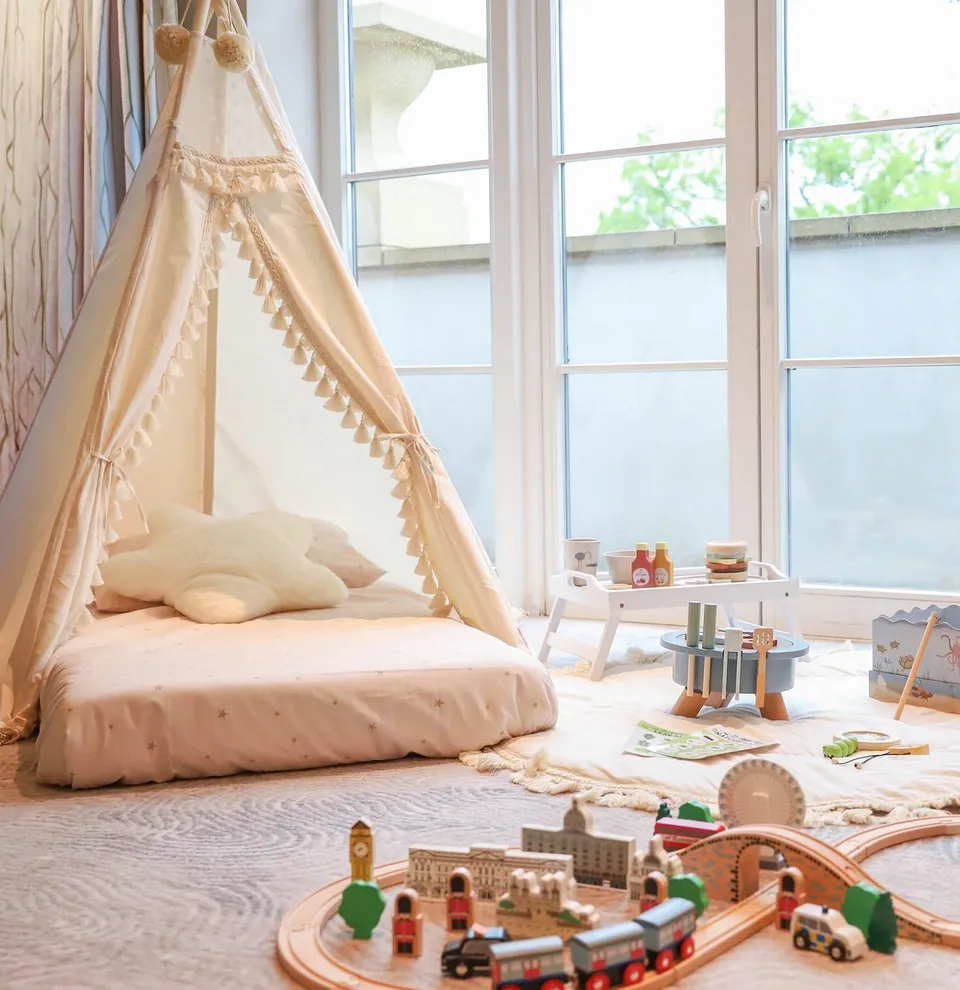
Cream children’s teepee with cushions beside a wooden toy train set and dolls in a bright playroom

5. Stop selling rooms. Start selling trips.

A guest is unlikly to just be looking for a king-size bed and breakfast. They will be planning an anniversary, walking weekend, family break, spa escape, concert or food trip. Hotels have always sold packages; the opportunity now is to make these experiences visible and bookable throughout the journey.

  • The Grove offers an in-room Scandibørn sleepover experience, complete with a teepee.
  • The Mandrake takes ancillary spend in another direction with its Kink Concierge.
  • Village Hotels recognises that its gyms are part of guests’ everyday routines, not just a line in a facilities list.
  • Verdi Hotels has explored automated lobby retail, making drinks, snacks and toiletries easy to buy while adapting stock to the hotel and its guests.

What Now?

These are very different ideas with the same principle: understand what guests want around their stay, then make it remarkably easy to buy.

6. Measure value per guest, not just revenue per room

If a hotel becomes part of a wider experience, focusing solely on the room misses part of the commercial opportunity. Shift the question from “How do we get another £10 on the room rate?” to “How do we create another £30 of value this guest actually wants to buy?”

That might mean restaurant spend, spa treatments, activities, drinks, experiences, retail or upgrades. Good data helps hotels understand which of these matter to different guests.

What Now?

Get your data in order to maximise its value. Better than installing another shiny piece of hotel technology.

Smiling hotel receptionist hands a card to a guest across the reception desk.

7. Automation belongs backstage too

Guests want easier, faster, more digital experiences. They also want hospitality. AI can answer questions, automation can remove repetitive tasks, digital check-in can eliminate queues and technology can respond to enquiries outside office hours.

That matters commercially: the data presented at HOSPACE 2026 shows 30% of calls and booking enquiries happen outside normal working hours, when hotels often have limited resources. AI increasingly offers a way to move from answering questions to taking action.

What Now?

None of this means eliminating people. Use technology to remove repetitive friction, then put good people at the moments where judgement, warmth and hospitality matter.

The hotel of the future might feel less technological

We talk about AI agents, automation, mobile payments and connected systems. But guests do not particularly want technology. They want finding the right hotel, booking, arriving and getting what they need to be easy and then they want the experience to be brilliant.

The best technology may be the technology guests barely notice. For hotel marketers, the challenge remains surprisingly traditional:

  • Know your guests.
  • Give them a reason to choose you.
  • Tell your story better than anyone else can.
  • Remove the friction between wanting the experience and buying it.
  • Give guests an experience worth talking about.

As search changes and reviews increasingly influence recommendations, what people say about the experience may become almost as important as what you say about it yourself.

Data sources: HOSPACE 2026.