






Summer can move quickly in hospitality.
One minute your rooms look healthy. The next, the weather changes, plans shift, an event lands nearby, or a few cancellations leave gaps you need to fill.
For many UK hotels, last-minute and short-break demand is now a valuable part of the booking mix. Guests often decide within days of arrival, especially for one to three-night UK breaks. They search on their phones, compare quickly, and book with the hotel that feels easiest, clearest and most trustworthy.
The challenge? If your hotel's direct booking journey isn't clear, and prices are not easily comparable, guests will often default to OTAs.
A direct booking first approach does not mean ignoring OTAs. They still have a place. But your own website, booking engine, Google Business Profile and email list should work as your strongest sales channels. That is where you protect margin, build guest relationships and encourage repeat stays.
Here are some simple ways to turn last-minute summer searches into direct hotel bookings.

Make your website work harder
Your homepage needs to do more than look lovely. During busy summer periods, it needs to guide guests quickly.
Add a pop up or a clear banner near the top of your website. Keep the message short and specific. For example:
“Last-Minute Summer Escapes. Book Direct for Best Rate and Free Breakfast.”
“This Weekend in [Destination]. Limited Rooms Available.”
“Stay Tonight. Real-Time Availability and Flexible Cancellation.”
Link the banner to a late-availability page or directly into your booking engine. Do not send guests on a hunt through your website. They are often searching on mobile and may only give you a few seconds to keep their attention.
Make sure your direct-booking benefits are easy to spot too. These could include free breakfast, parking, flexible cancellation, late checkout or a complimentary drink. You do not always need to discount. Added value can be enough to make direct feel like the better choice than the OTAs.
Keep your Google Business Profile fresh
For many last-minute guests, your Google Business Profile is the first place they meet your hotel.
They will check your location, photos, reviews, availability, phone number and booking link. If anything looks out of date, unclear or neglected, they may move on.
A few quick checks can make a big difference:
- Make sure your hotel category is correct
- Check your website and booking links
- Add fresh summer photos of rooms, gardens, terraces, food, spa areas and local views
- Update key details such as parking, breakfast, Wi-Fi, pet policy and accessibility
- Use Google Posts for late availability, summer dining, events and short-break offers
Your booking link should take people as close to booking as possible. Ideally, send them to your booking engine or a clear late-availability page.
Use Google Ads for high-intent searches
Last-minute guests will search with intent. They are not browsing vaguely. They are typing things like:
“hotel tonight near me”
“last minute hotel [city]”
“weekend break [region]”
“spa break this weekend UK”
“family hotel [destination]”
These searches can be valuable because the guest is already close to making a decision.
Keep your Google Ads focused. Brand campaigns help protect searches for your hotel name, especially when OTAs are also bidding. Destination and intent campaigns can help you reach people searching for last-minute stays in your area.
Make your ad copy clear and useful. Mention direct-booking benefits, live availability, flexible cancellation or summer packages. Avoid sending paid traffic to a generic homepage. Link to the page that best matches the search.

Do not forget past guests
Your past guests are one of your warmest audiences.
They already know your hotel, your location and what it feels like to stay with you. That makes them more likely to book a last-minute break, especially if they live within easy travel distance.
Send simple, timely emails around key summer dates. You could try:
- A soft inspiration email four to six weeks before a busy weekend
- A “last rooms this weekend” email in the week before arrival
- A staycation email for guests within driving distance
- A re-engagement email for guests who have not stayed for 18 months or more
Keep the message helpful and focused. Include one clear offer, one strong image and one clear booking button.
Match your message everywhere
Last-minute guests move between channels quickly.
They might see your Google ad, click your Google Business Profile, visit your website, leave to check transport, then return later through email or a brand search.
That means your message needs to match.
If your ad says “free breakfast when you book direct”, your website should say the same. If your email promotes late checkout, your booking page should make that benefit clear. If your Google Post mentions summer availability, the link should take guests to current rates and dates.
Consistency builds trust. Confusion sends people back to OTAs.
Improve the mobile booking journey
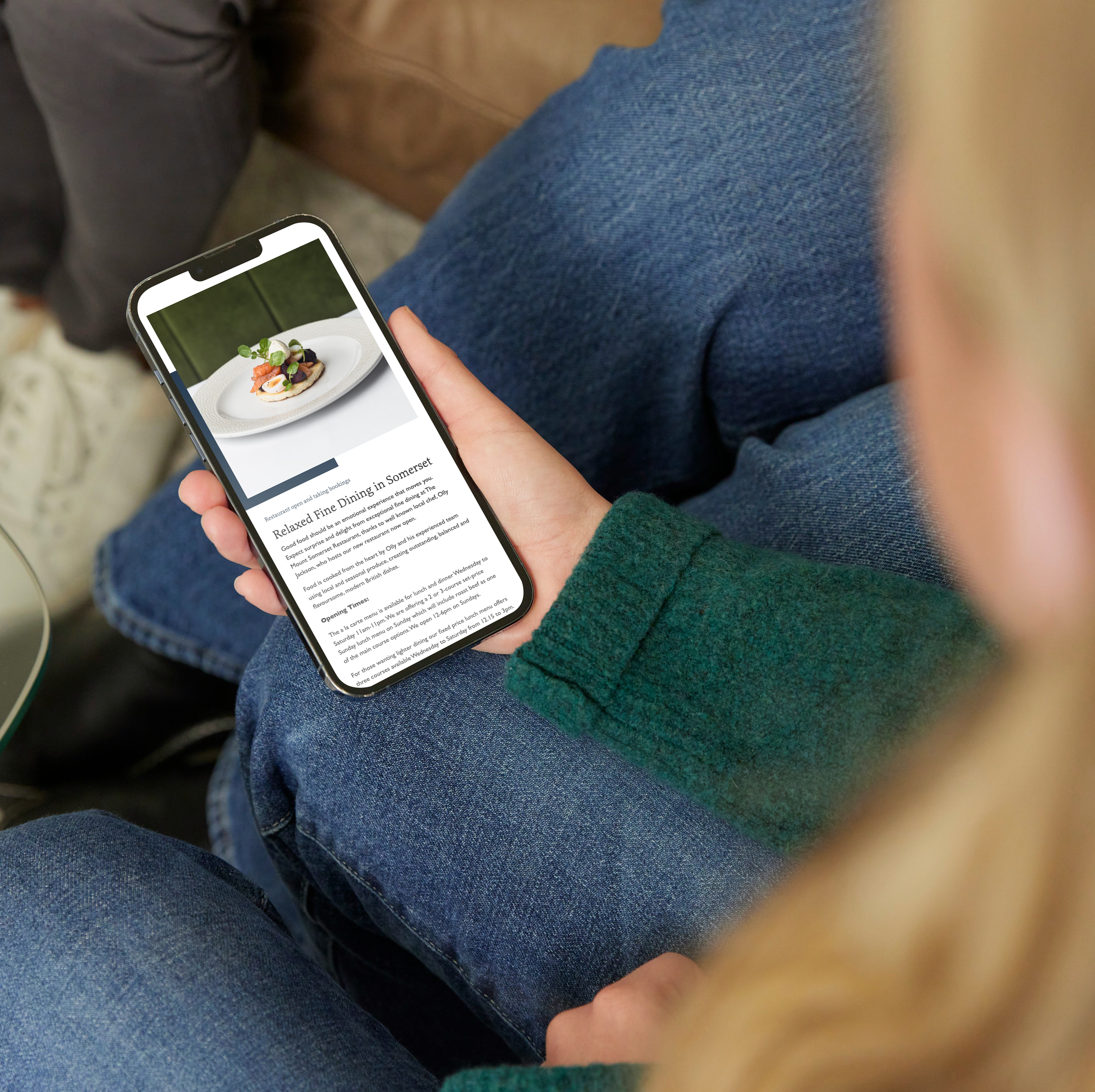
Most last-minute searches happen on phones. So your mobile booking experience really matters.
Test it yourself. Pick up your phone and try to book a room for tonight or this weekend. Is it quick? Is pricing clear? Are direct benefits visible? Can you see what is included? Are cancellation terms easy to understand?
Look for small bits of friction:
- Slow pages
- Too many form fields
- Hidden costs
- Unclear room descriptions
- Tiny buttons
- Confusing date selection
- No simple payment option
Busy guests will not work hard to book. The easier you make it, the more direct bookings you will win.

Use local demand signals
Last-minute demand often follows weather, events, school holidays, bank holidays and local happenings.
Keep an eye on what is coming up near you. Concerts, festivals, weddings, sports fixtures, graduation weeks and sunny forecasts can all drive short-notice searches.
When you see demand building, update your homepage banner, social channels, email activity and ad budgets. Mention the event or the reason to visit where it makes sense.
Simple local copy can help too:
- “Five minutes from [venue]”
- “Perfect for a last-minute coastal escape”
- “Family rooms available for the school holidays”
- “Dinner, bed and breakfast this weekend”
Make it easy for guests to see why your hotel fits their plans.
Bring it all together
The best results usually come when your channels work together.
Your Google visibility brings in high-intent searches. Your Google Business Profile builds trust. Your website explains the direct-booking benefits. Your booking engine makes the sale easy. Your email marketing brings past guests back.
None of this needs to be complicated.
Start with the basics. Add a clear late-availability message. Check your Google Business Profile. Send one useful email to past guests. Test your mobile booking journey. Make sure your direct benefits are visible everywhere.
Small changes can help you turn summer interest into stronger, more profitable direct bookings. And that means less reliance on OTAs, better guest relationships and a healthier booking mix for the months ahead.
For more marketing know-how
Need more indepth guidance on boosting your direct bookings? Get in touch.