




Learning from 2026: how hotels can win in 2027
HOSPACE 2026 was full of high-quality and insightful presentations and panel discussions.
The opportunity presented for teams working in hotels isn't simply to sell more rooms. It's to get much better at understanding why people travel, what they value and where else they're willing to spend.
And then use technology, data and good old-fashioned hospitality to make more of those opportunities.
There were plenty of lessons from 2026 that point to where hotels should focus in 2027.
Growth is there, but not everywhere
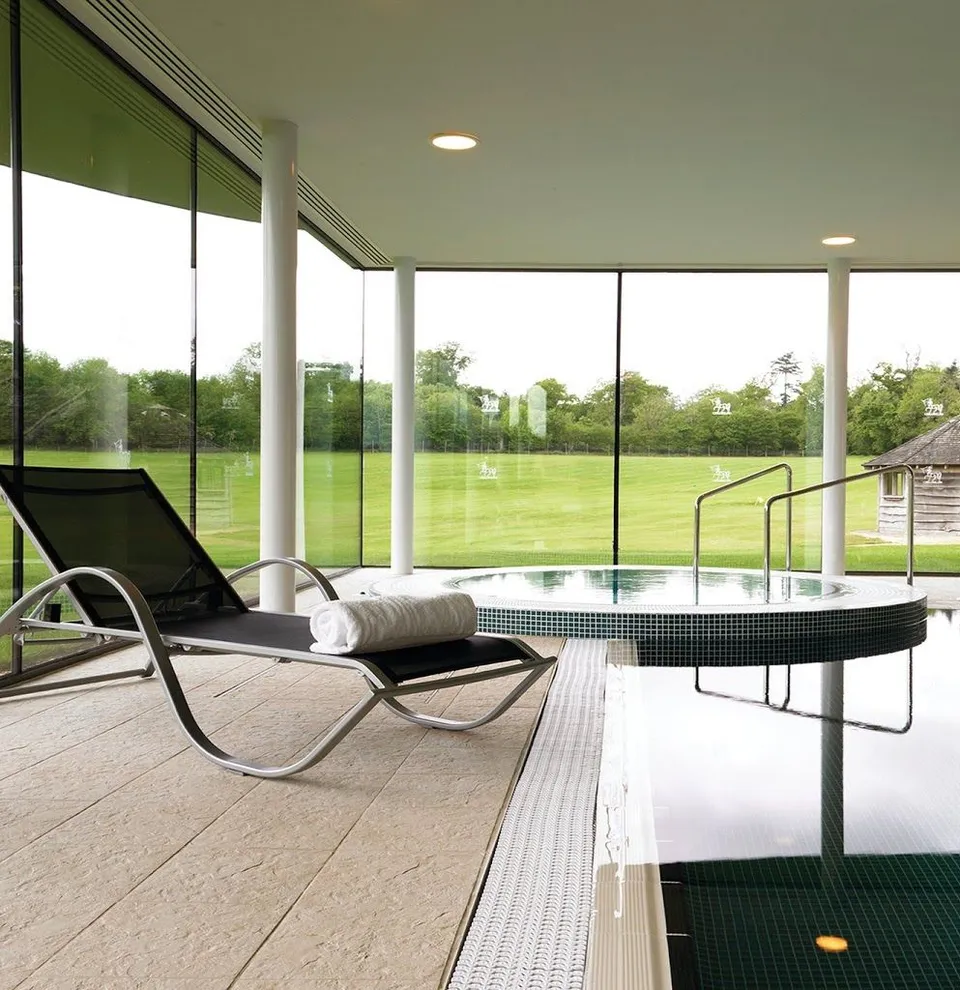
HotStats report that UK hotel revenue and profit growth of around 3% during 2026.
Underneath that relatively positive headline is a much more complicated picture. Midscale hotels have been particularly profitable. At the other end, upper-upscale and luxury remain profitable, albeit at a lower rate. The uncomfortable place appears to be somewhere in the middle.
This is a similar story elsewhere in hospitality. Fine dining is performing while casual dining has seen demand fall. Pub spending has increased across a smaller number of venues following closures. Consumers haven't stopped spending. They're becoming more selective about what is worth spending on.
Experience and occasion-led hospitality can still command spend. Businesses without a sufficiently compelling reason to visit are finding life much harder.
Shift from revenue per room towards revenue per guest
Hotels traditionally focus on rooms and RevPAR
- How many did we sell?
- At what rate?
- Through which channel?
Those questions aren't going away. But there is a shift from revenue per room towards revenue per guest.
Once somebody is staying with you, how much of their trip can you genuinely improve?
Ideas that work for hotels
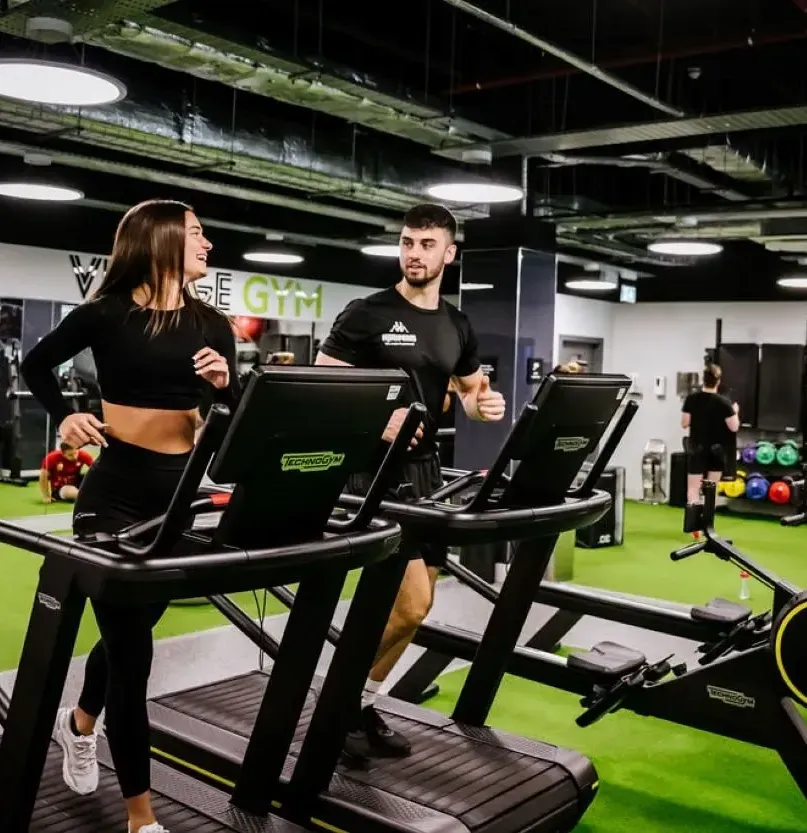
Village Hotels has made gyms an important part of its proposition, recognising that guests increasingly expect to maintain their normal routines while travelling.
Verdi Hotels is experimenting with automated lobby retail rather than the traditional minibar model.
The Mandrake in London, where a reported 70% of minibar sales are sex toys. Probably not an ancillary strategy for everyone.
The point isn't to copy any of these ideas. Consider what your guests value beyond the bed.
Give people another reason to come
There are four main levers a hospitality business can pull for growth:
- Attract more customers.
- Get existing customers to visit more frequently.
- Increase what they spend.
- Become more operationally efficient.
The interesting opportunity for hotels is frequency. Hospitality is increasingly being driven by occasions and experiences. That gives hotels a reason to package and market much more than accommodation.
Spa weekends. Food experiences. Concert breaks. Walking trips. Family stays. Celebrations. Golf. Wellness. Christmas markets. Local events.
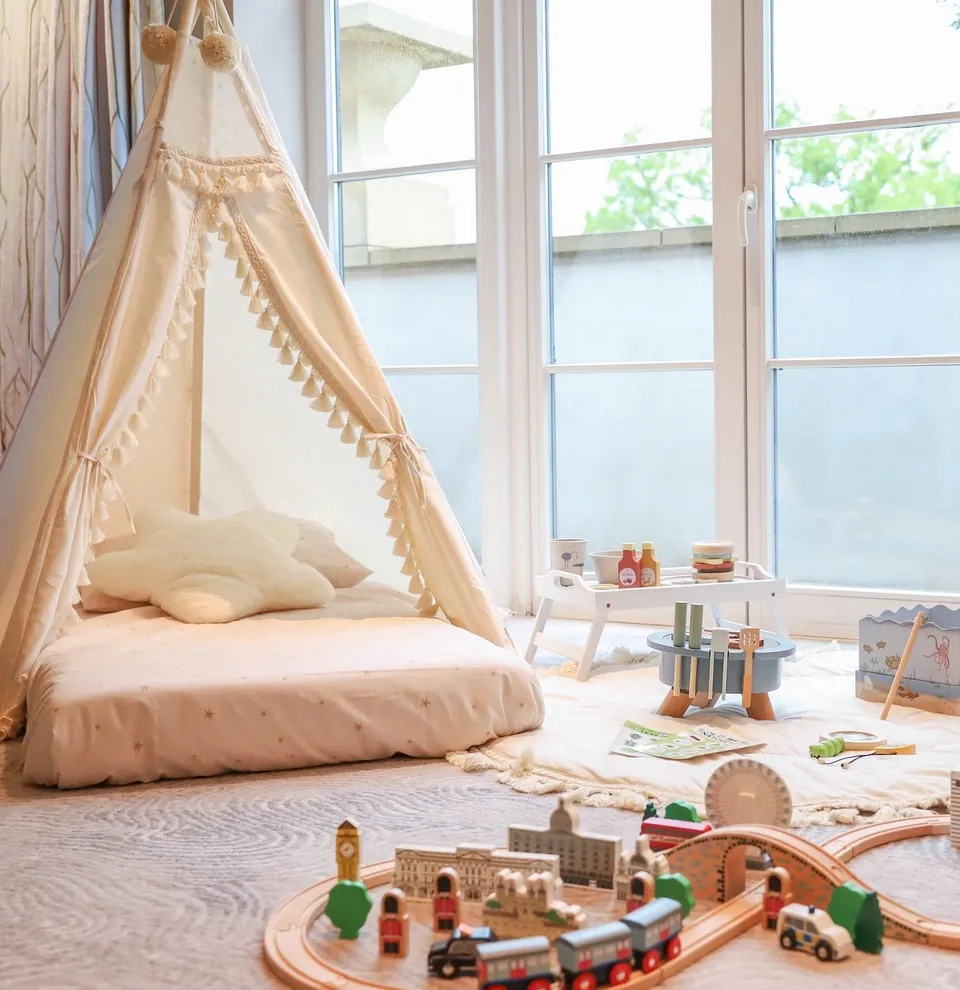
The Grove, for example, has offered children's in-room sleepover experiences with a Scandibørn teepee.
What can you add to a stay that makes it worth choosing, talking about or coming back for?

AI should remove friction, not hospitality
Some hotels are still held back by legacy systems, disconnected data and processes that make relatively simple guest interactions unnecessarily difficult.
At the more radical end, concepts such as Otherworld's digitally led model are removing traditional check-in and checkout entirely.
Elsewhere, AI tools are starting to answer personalised questions and take actions rather than simply generating text.
Removing friction isn't the same as removing people.
There are moments where automation is brilliant. And there are moments where a good member of staff using judgement is considerably better. The competitive advantage will come from knowing the difference.

What does winning in 2027 look like?
If 2026 taught us anything, it's that hospitality remains remarkably resilient.
There's investment coming into the UK market. M&A activity is expected to continue. Consumers are still travelling, eating out, drinking and looking for memorable experiences.
But they're making choices. For hotels, that makes differentiation increasingly important.
Give people a reason to choose you.
Understand the occasions and experiences they're looking for. Make it easy to discover and buy them. Use technology to remove the boring friction. Use data to understand what's actually working.
Then let your people concentrate on the bit technology still struggles to replicate.
Hospitality. (Jazz hands optional.)
Data sources HOSPACE 2026