








May is a funny month in hotel marketing.
Summer feels close enough to touch, but there is still time to shape the season ahead. For many hoteliers, the calendar may already look healthy in places. A few strong weekends. Some wedding guests. A bank holiday lift. But then there are the gaps. Midweek rooms, late June, early July, or that awkward Sunday night. The good news? You do not need to start again. You need a focused push.
Here is a simple May marketing checklist to help you fill more summer dates, drive more direct bookings and give guests a reason to choose you now.
1. Refresh your website content
Guests want to imagine their stay before they book. Your website should bring summer at your hotel to life, from a slow breakfast on the terrace and lazy afternoons by the pool, to picture-perfect days out and pre-dinner drinks in the garden.
Take some time to look at your website as if you were a guest, prioritising your homepage, offers and rooms pages. Do they feel current? Does it show why summer at your hotel is worth booking?
Make sure the following are up to date:
- Seasonal imagery
- Summer opening times
- Outdoor dining details
- Spa, garden, terrace or pool information
- Local events and attractions
- Child friendly details
- Dog friendly information
- Parking, EV charging and practical guest questions
2. Identify the gaps
Before you write a social post, send an email or change an offer, look closely at your booking calendar. Where do you actually need demand?
Check:
- Quiet weekdays
- Shoulder dates around busy weekends
- Specific room types that are slow to sell
- Dinner, spa or experience availability
- Family stays during school holidays
- Late availability in June and early July
This stops you from promoting “summer breaks” in a vague way. You can be much more useful and much more effective. For example, instead of saying “Book your summer stay”, try: “Stay Sunday to Thursday this June and enjoy quieter beaches, garden views and dinner on us on your first night.” Specific dates sell better than broad messages.
3. Create targeted reasons to book
Once you know where the gaps are, prioritise the ones that matter most and create simple reasons for guests to book those dates.
This does not mean discounting every empty date or launching lots of complicated offers. It means matching the right message to the right need. Added value offers work well without the need for discounting, for example, a free afternoon tea, or a credit to use towards a dining or spa experience.
For example, you could promote:
- A midweek June stay with dinner included
- A free bottle of fizz if you extend your weekend break to include a Sunday night
- A family break for school holiday gaps, where kids eat free
- A spa or dining add-on for quieter arrival days
- A last-minute coastal escape for unsold rooms
Keep each message clear:
- What dates are available?
- What is included?
- Why is it worth booking now?
- Why should they book direct?
- How much will it cost?
A strong booking message should feel like an invitation, not a last-minute push. Give guests a reason to think, “That’s exactly what we need.” Help them imagine the slow morning, the change of scene, the dinner they did not have to cook, or the few days away they have been meaning to book.
4. Send targeted email campaigns
Your past guests are one of your warmest audiences. They already know you. They may just need a gentle nudge to book that summer stay, or buy that gift voucher.
Send a friendly May email with a clear summer focus and targeted offers you know will land favourably. Keep it short, visual and useful.
You could include:
- Your summer availability
- One seasonal offer
- Three reasons to visit this summer
- A gift voucher reminder for Father’s Day or summer birthdays
Subject line ideas:
- Still dreaming about a summer escape?
- Your summer stay is closer than you think
- Sunny days and slow mornings are waiting for you
Do not try to say everything. You could send multiple emails to different segments based on their stay history, but stick to one main message, with one clear next step and call to action per email.
5. Show the season on social media
Most potential guests will be doing a check of your social media channels before they book. Your social media does not need to be perfect, but it needs to be alive, and give a real, honest sense of what it is like to stay at your property.
In May, people are making summer plans during lunch breaks, school runs and evening scrolls. Show them what they could be enjoying.
Post simple, real content:
- Morning coffee on the terrace
- A freshly made room with the window open
- Garden flowers
- Chef’s summer dish
- Nearby beaches, walks or attractions
- Team recommendations
- Guest reviews
Posts should include a mix of static images, carousels and video, and captions should speak to viewers' emotions. Instead of “Book now for summer availability” try: “Emails off. Flip Flops on. Summer starts here" or "Your only appointment today? Breakfast on the terrace".
6. Build local reasons to visit
Your hotel is not the only reason people travel. The area matters too.
Make a quick list of what is happening nearby in June, July and August. Events, festivals, gardens, beaches, food markets, walking routes, family days out, theatre, heritage sites, golf, cycling, paddleboarding, spa days. Anything tat might appeal to your guests.
Then turn that into content.
Create:
- A summer events blog
- A “things to do this summer” email section
- Social posts around key dates
- A local guide for your website
- A package linked to a popular event
Not only does this build additional reasons for guests to book, it also helps your hotel appear when people search for where to stay near those events.
7. Give direct booking a clear benefit
Guests need a reason to book directly with you rather than through a third party. Make your direct booking benefits visible across your website, emails and social posts. It could be:
- Best available rate
- Free breakfast
- Flexible cancellation
- Room upgrade, subject to availability
- Early check in
- Late checkout
- A dining or spa perk
Keep the wording simple: “Book direct for our best rate and a little extra flexibility.”
Make sure this message appears close to your booking button, not hidden at the bottom of a page.
8. Do not forget gift vouchers
Summer is full of gifting moments, from Father’s Day and birthdays to anniversaries, weddings and teacher thank you gifts.
The key is to make your vouchers feel more memorable than a standard monetary amount. Experiential gift vouchers are especially popular because they give people something to look forward to. They feel thoughtful, personal and easy to imagine. Think less “£50 voucher” and more “summer wine tasting for two” or “pizza making experience with a glass of fizz”.
Look at what your hotel, restaurant or spa can offer that feels seasonal, special and giftable. For example:
- Pizza making in the garden or outdoor kitchen
- Summer wine tasting with our sommelier
- Afternoon tea on the terrace
- A sunset dining experience
- A picnic hamper for two
- Cocktails and small plates in the garden
- A summer stay voucher with dinner included
These kinds of vouchers help you stand out from the crowd. They also give guests a reason to buy now, while summer feels exciting and plans are being made. Keep the wording simple and tempting. Show who it is for, what is included and why it feels special.
Promote these vouchers on your website, in emails and across social media. Use warm, visual language that helps people picture the experience. A good voucher should feel like more than a gift. It should feel like a memory waiting to happen.
9. Check the booking journey
How often do you test your user journey?
We know it can be hard to find the time, and there always seems to be a more pressing issue. But your website is often your first welcome. And if the journey feels slow, unclear or frustrating, potential guests may leave before they ever speak to you.
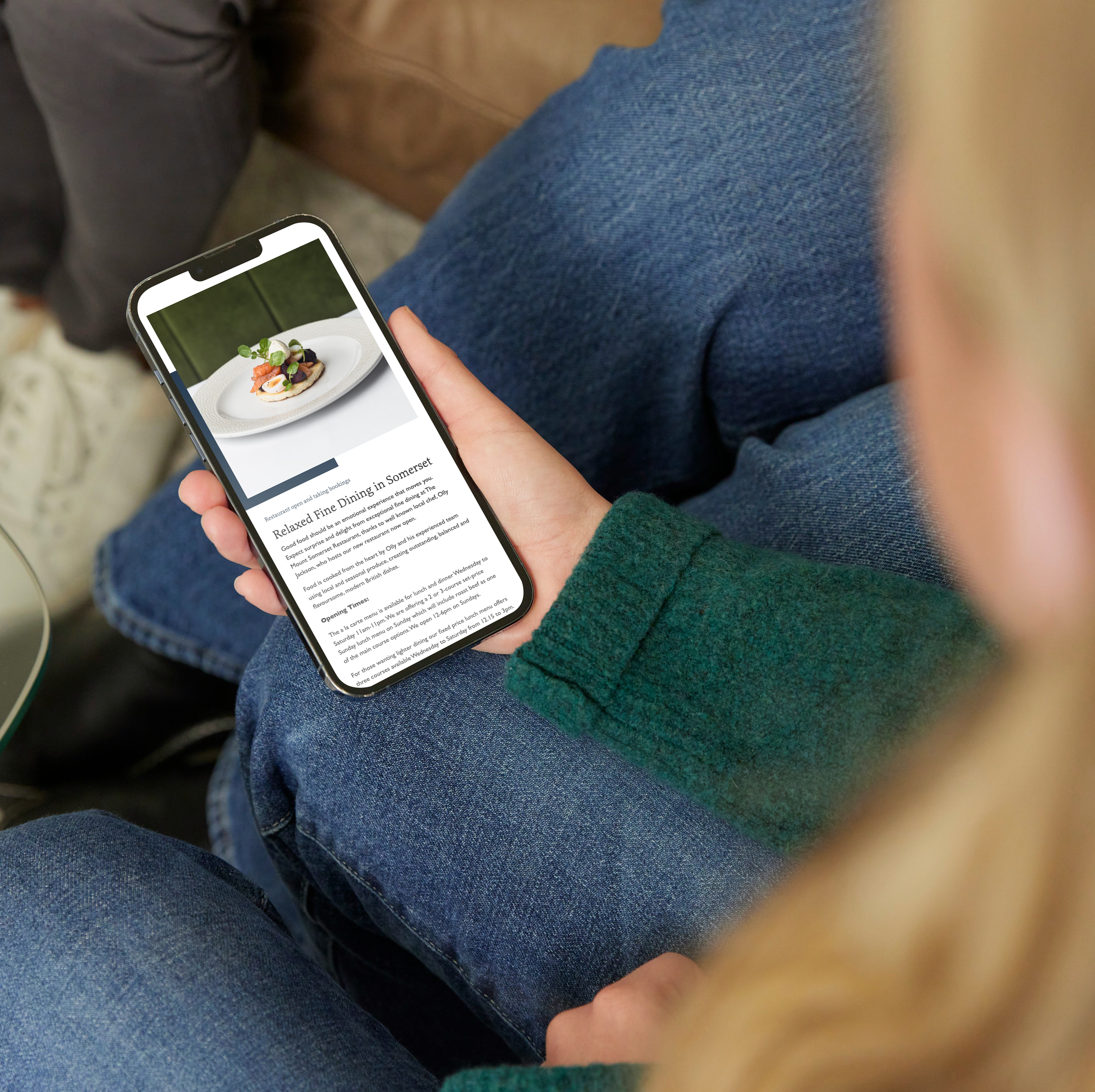
Before pushing out your summer marketing, pick up your phone and try to book as if you were a guest.
Ask yourself:
- Can I find the summer offer easily?
- Is it clear what is included?
- Are the dates and prices easy to understand?
- Does the booking button stand out?
- Do the room photos make me want to stay?
- Can I see why I should book direct?
- Does the page load quickly?
- Are there any broken links or old messages?
- Is the payment process smooth?
- Do I get a clear confirmation at the end?
It is also worth asking someone outside the business to try it. A friend, family member or team member from another department can often spot things you no longer see.
Small issues can make a big difference. A hidden offer, a confusing button, an out-of-date image or too many steps can all cost bookings.
10. Keep the momentum going
Summer bookings are not won in one post or one email. They build through steady, useful reminders.
Each week in May, choose one priority:
- Week one: refresh your website
- Week two: send targeted email campaigns
- Week three: promote local reasons to visit
- Week four: push remaining gaps
Small actions, repeated well, can make your summer calendar look much healthier.
May is your moment to guide guests from “we should book something” to “this is the place”. Keep it clear. Keep it human. Show the experience. Remove the barriers to booking and give people every reason to book their summer stay with you.
For more marketing know-how
Need more guidance for your summer marketing or beyond? We'd love to help.