







Home Menu
Contact

Why emotional marketing matters more than ever

When guests book a hotel, they’re rarely just booking a bed. They’re booking a feeling. A break from the everyday. Time together. Space to breathe. Something to look forward to. And as we head into 2026, this is exactly where emotional marketing comes into its own.

With so many choices available – and with guests increasingly using AI to narrow those choices for them – hotels that clearly communicate why a stay feels special are the ones that stand out. For independent hotels in particular, emotional marketing isn’t a nice-to-have. It’s your superpower.


Father and son standing by a lake with arms outstretched, facing the water during sunset.

Travel is no longer just about where guests go. It’s about why they go. Marketing that connects with emotional motivations will perform better than generic destination or price-led messaging in 2026.

Person relaxing in an outdoor hot tub at sunset with legs crossed and steam rising from the water.
Striped deck chairs arranged on a pebbly beach facing the sea, with a 'For Hire' sign visible.
Woman and girl running and playing on the beach at sunset, their reflections visible in the wet sand.

Start with the 'why' not the 'what'

It’s easy to talk about king-size beds, rainfall showers and locally sourced breakfasts. But those details only matter because of how they make guests feel.

Instead of asking “what do we offer?”, ask: "Why do guests come here?" and "How do they want to feel when they arrive… and when they leave?"

Booking a stay at a cosy country cottage might be about slowing down and switching off. A stay at a coastal hotel might be about fresh air, freedom and spontaneity. A boutique town hotel or spa break could be about indulgence, celebration or relaxation.

Once you’ve nailed that feeling, let it guide your marketing.

Use language that sounds like your guests

Emotional marketing works best when it feels familiar and human. That means swapping polished, generic copy for words your guests actually use.

Think: “Sleep in, skip the alarm, wander down to breakfast when you’re ready”, or “Long walks, muddy boots, and a well-earned glass of wine”

These small shifts make your marketing feel warm, relatable and real – and they help guests imagine themselves there.

Tell stories, not sales messages

Stories create connection. And hospitality is full of connections. Instead of pushing offers on your marketing channels all the time, share moments: a rainy afternoon by the fire, early morning light in a favourite room, a couple celebrating something special, or a solo guest enjoying some peace and quiet

These stories work beautifully across your website, emails and social channels, and will resonate more strongly with a potential guest.

Build emotions into your marketing planning

Emotional marketing shouldn’t be an afterthought. It should shape your marketing planning from the start. Try mapping your year by guest intent, not just seasons:

  • January: rest, reset, quiet escapes
  • Spring: fresh starts, lighter days, getting outdoors
  • Summer: freedom, connection, nostalgia, memory-making
  • Autumn: comfort, warmth, slowing down

Plan your campaigns, emails and social content around those feelings, and your marketing will feel timely and intuitive.

Simple ways to get started now

You don’t need a full rebrand to start using emotional marketing. Here are a few easy wins:

  • Rewrite one website page to focus on how a stay feels, not just what’s included
  • Add one emotion-led email into your monthly plan
  • Share one behind-the-scenes or guest-moment social post each week
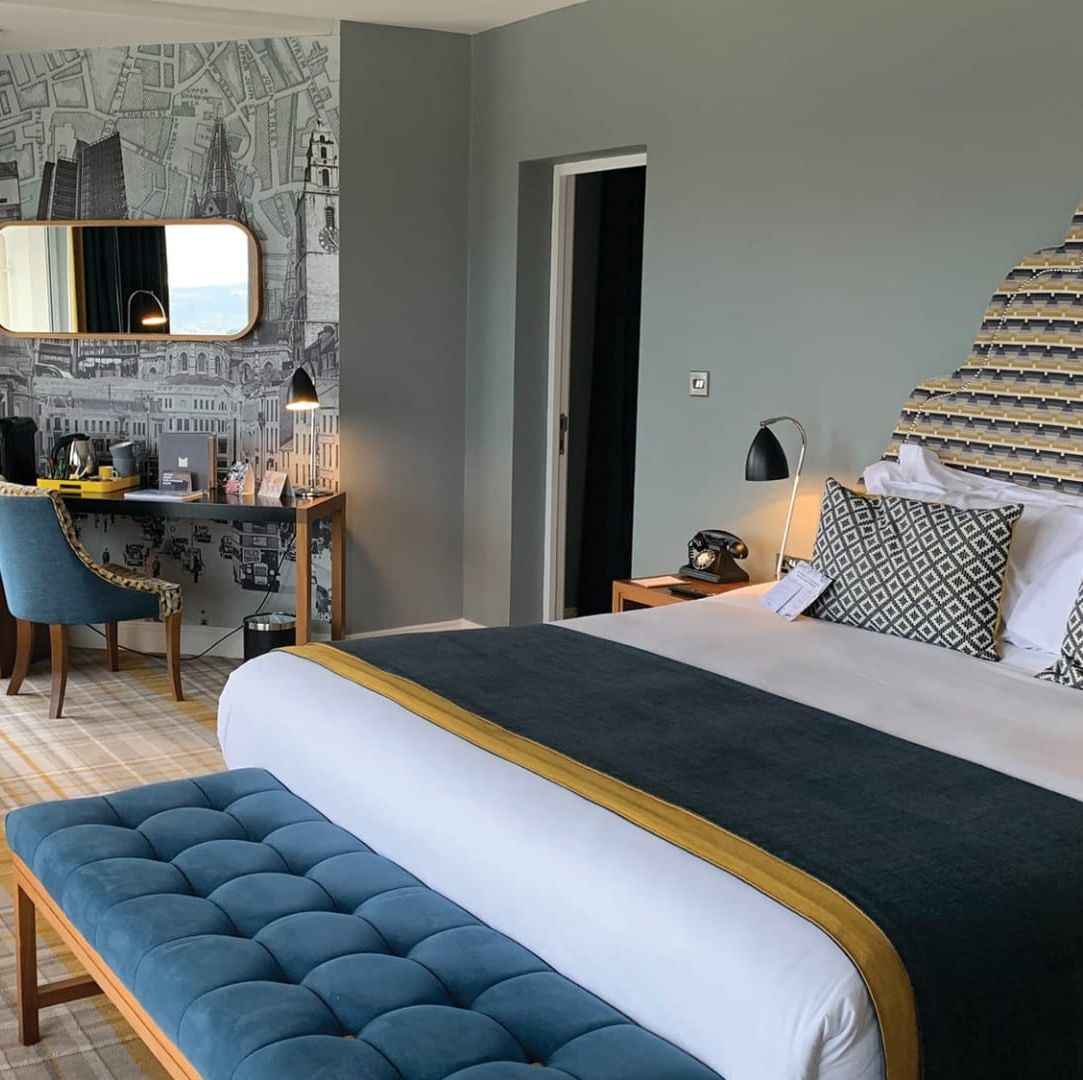
  • Review your imagery – does it show moments, not just empty rooms?

In 2026, guests will still care about price, location and availability. But what will truly influence their choice is how clearly a hotel understands their needs and why they’re travelling in the first place.

If your marketing makes someone feel something before they even arrive, you’re already halfway to a booking.

Got any questions?

Whether you're hankering to build emotional marketing into your communications, but don't know where to start, or you need help implementing your strategy. Let's talk.