


Your website has a big job to do. It needs to make guests feel something. It needs to answer their questions and build trust. Most importantly, it needs to help them feel confident enough to book.
Your photography plays a huge part in that.
Before guests read your room descriptions, check your menus or browse your offers, they are looking at your images. In a few seconds, they start forming opinions about your hotel. Is it clean? Is it comfortable? Is it special? Does it feel worth the price? Can they picture themselves staying there?
If the answer is no, they will move on. Often without you ever knowing.
Good photography does not just make your website look better. It helps guests imagine the stay they could have with you. It brings your experience to life. And in a busy market, that can be the difference between someone browsing and someone booking.
First impressions happen fast
Guests rarely look at one hotel website in isolation. They compare you with other hotels, self-catering stays, OTAs, gift experiences and weekend break ideas. Your images need to work hard.
If your photography is dark, dated, blurry or inconsistent, it can send the wrong message. Even if your hotel is warm, welcoming and beautifully run, poor images can make it feel tired online.
That is frustrating, especially when the real guest experience is much better than the one your website is showing.
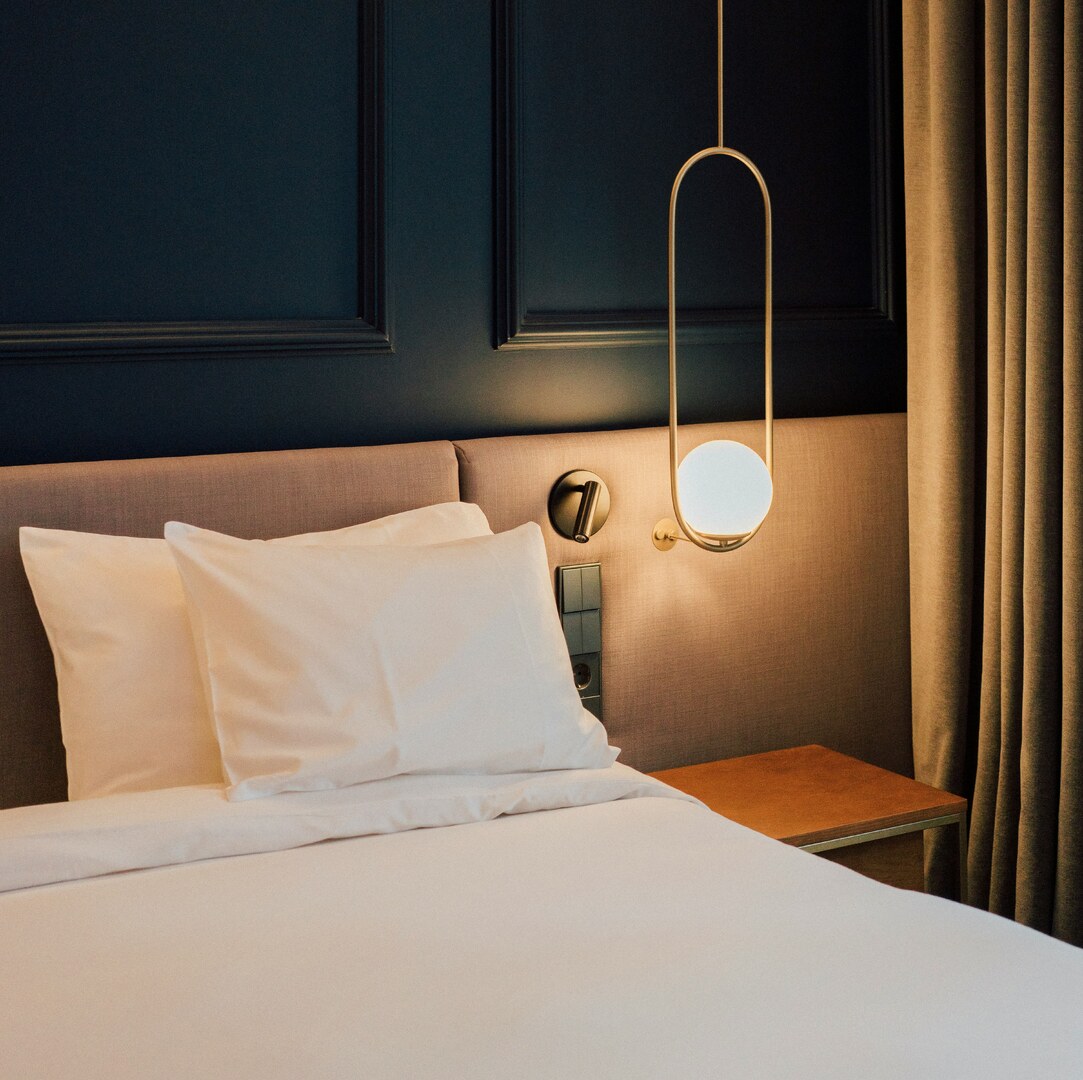
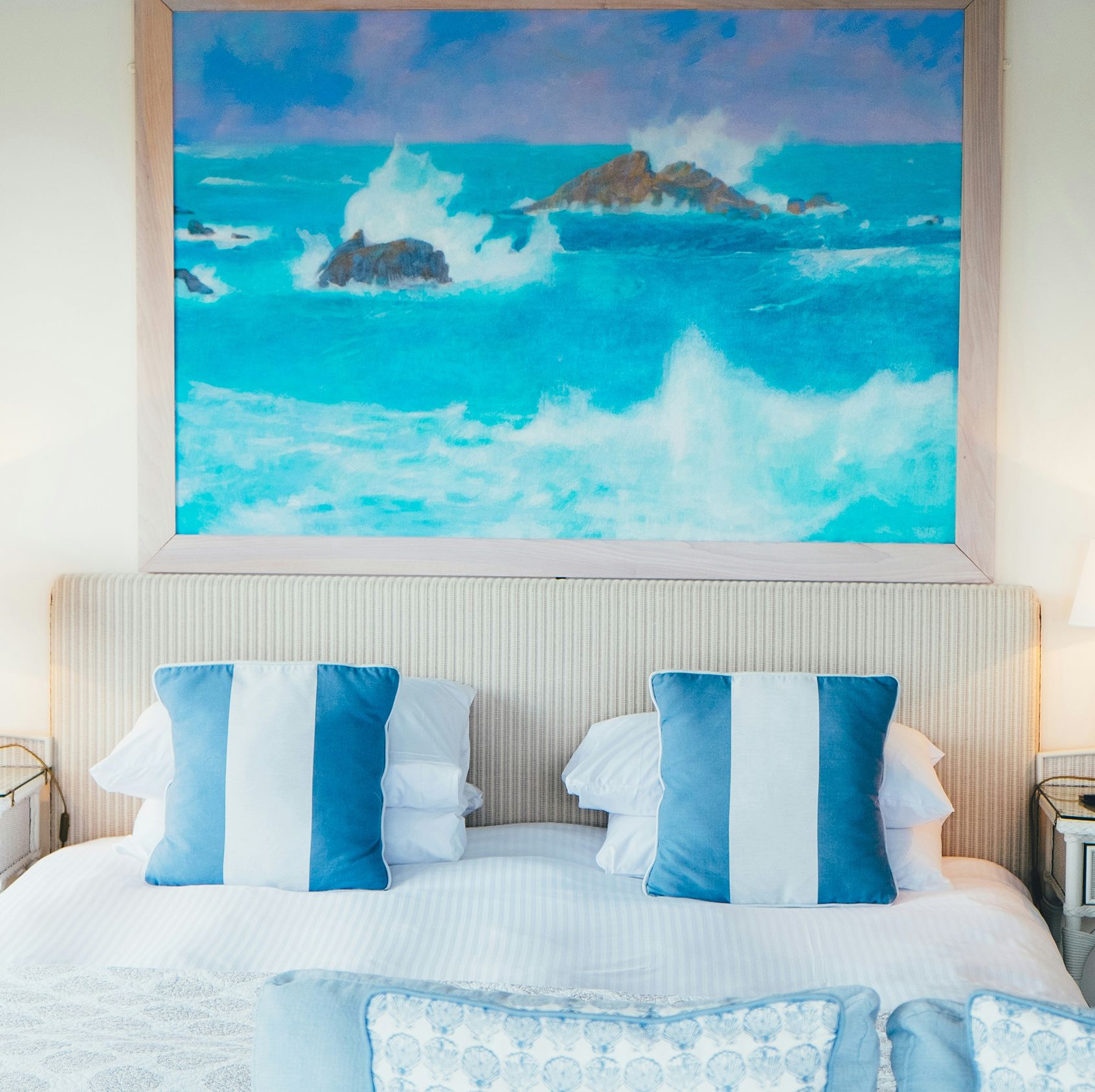
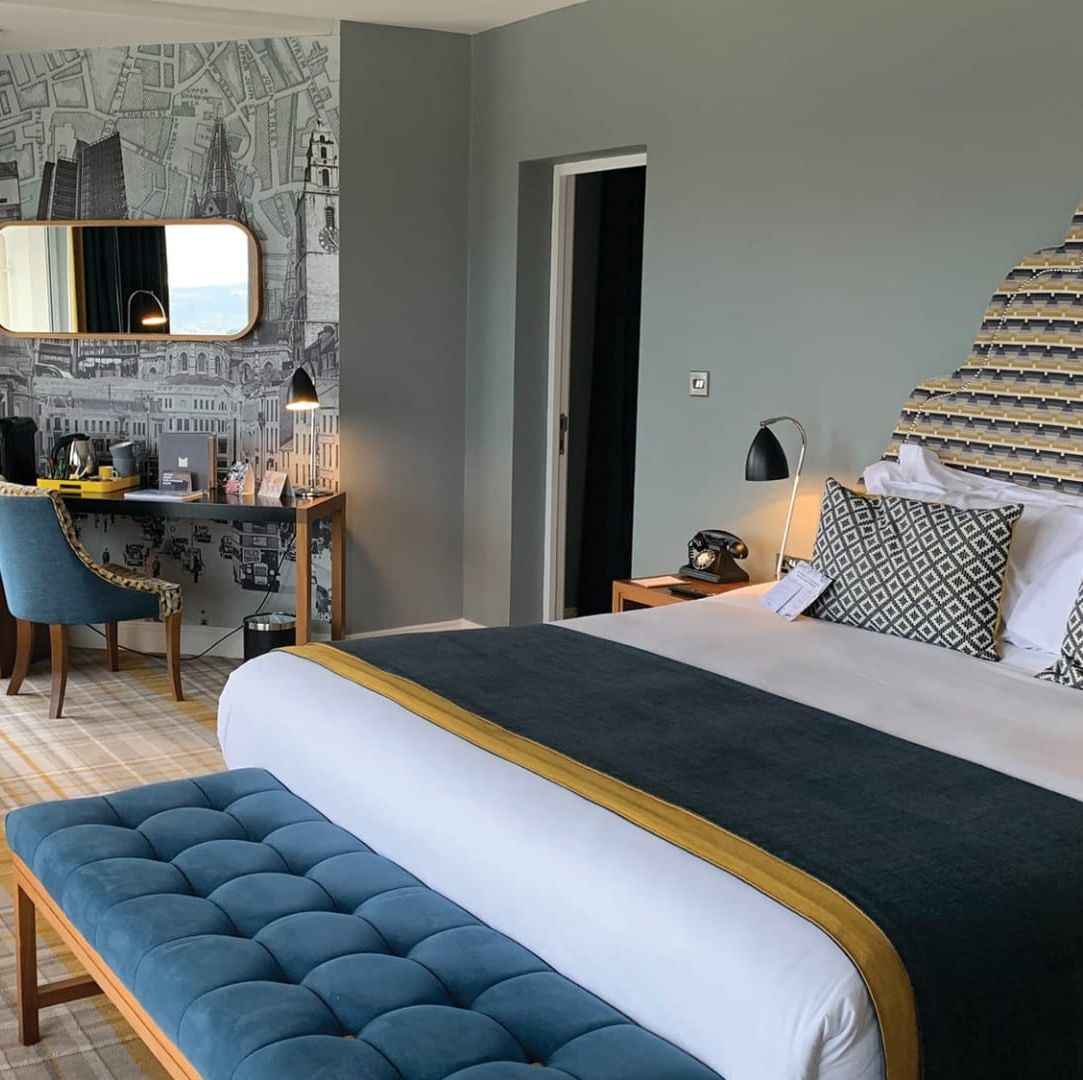
Your photography should help people feel reassured. It should show the quality of your rooms, the atmosphere of your restaurant, the comfort of your lounges and the beauty of your location.
Guests want to picture the whole stay
A room photo matters. But a room photo on its own is not always enough.
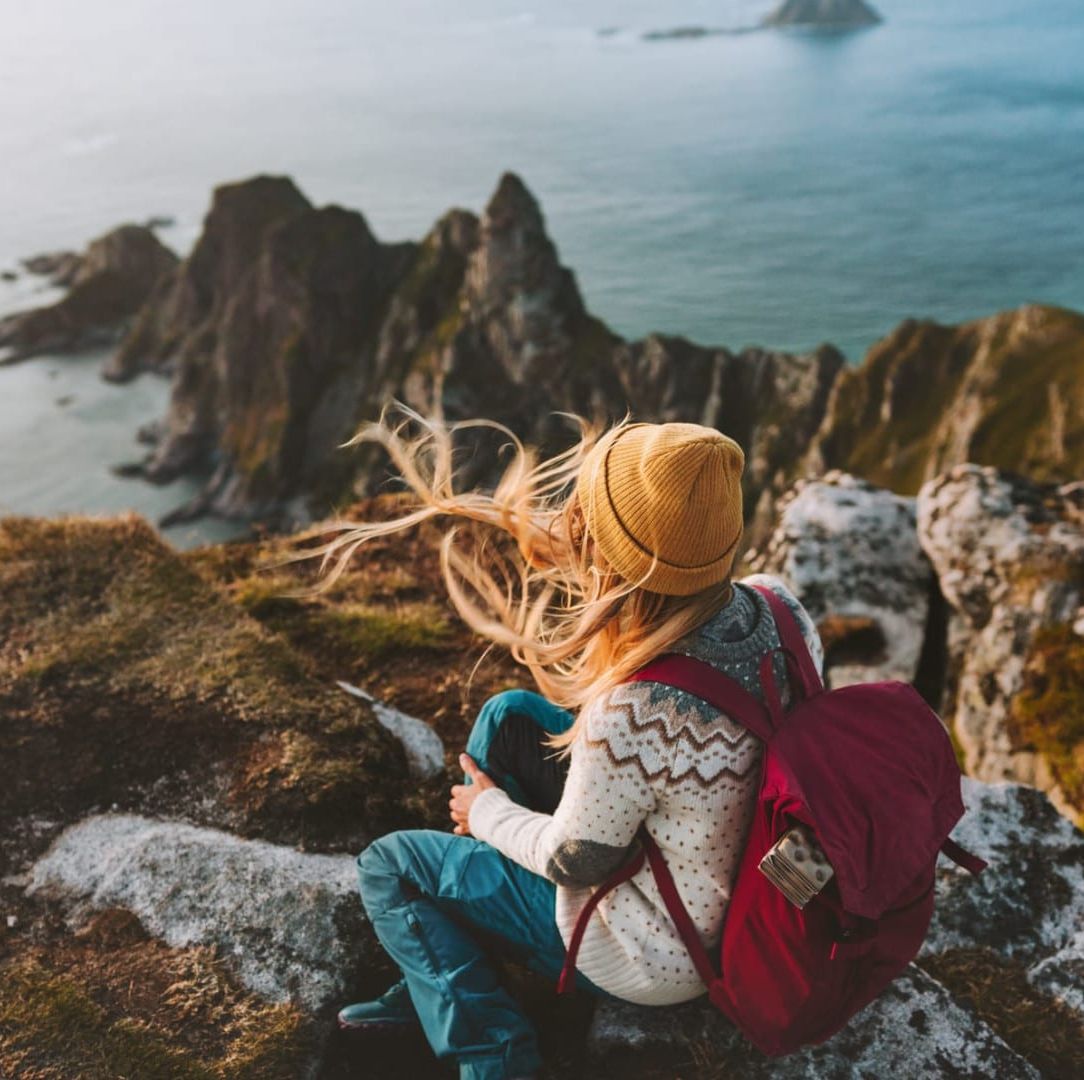
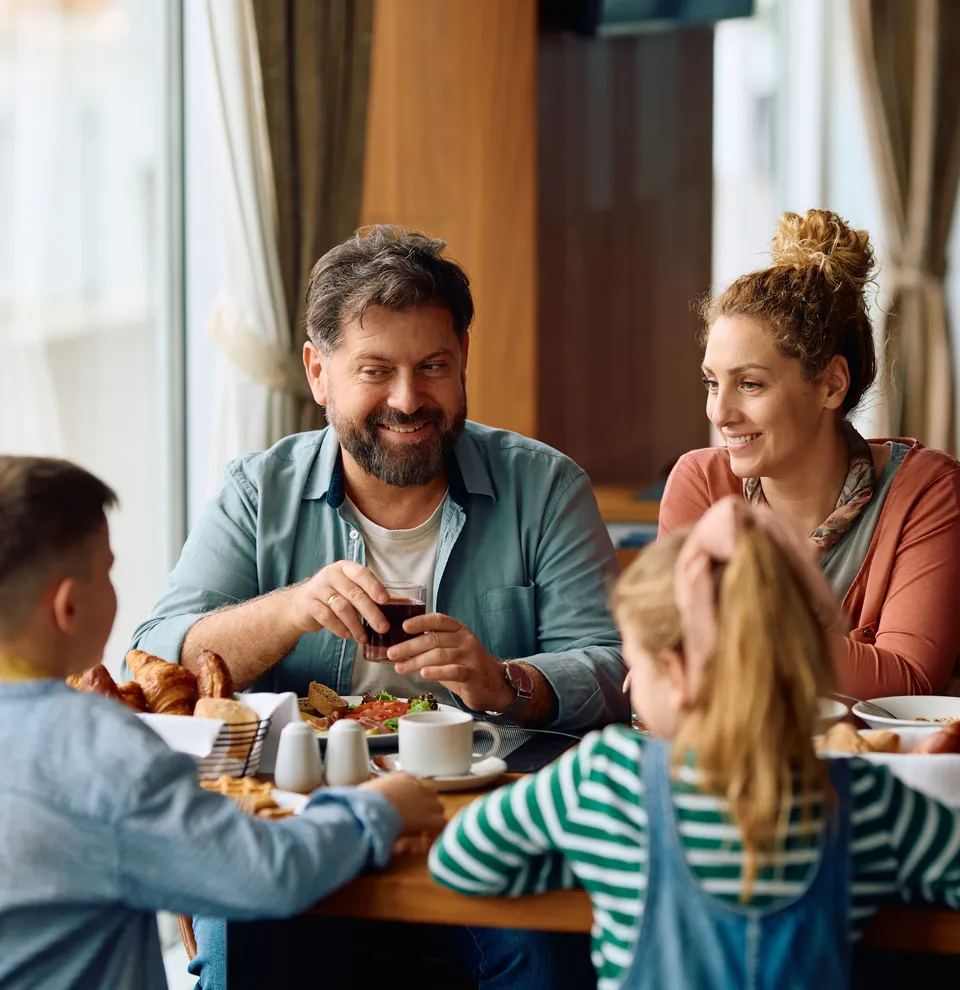
Guests want to understand the feeling of staying with you. They want to imagine waking up, opening the curtains, heading down for breakfast, relaxing in the bar, exploring the area and coming back to somewhere comfortable at the end of the day.
This is where many hotel websites miss an opportunity. They show the bed, but not the view. The table, but not the atmosphere. The building, but not the welcome. The spa, but not the sense of calm.
Photography should tell a fuller story.
A strong image set might include bedrooms, bathrooms, views, food, drinks, lounges, gardens, arrival spaces, details, local scenery and people enjoying the experience.
Your images help justify your rates
Guests are more careful with spending than they used to be. That does not mean they will always choose the cheapest option. It means they need to feel that the stay is worth it.
Good photography helps show value.
If a guest is comparing two hotels at a similar price, strong images can give them confidence that your hotel offers the better experience. They can see the comfort, space, food, setting and little touches that make a stay feel special.
Poor photography can have the opposite effect. It can make lovely rooms look flat. It can make delicious food look ordinary. It can make generous spaces feel cramped. It can make your hotel look less premium than it really is.
That can put pressure on your price.
When your images do not reflect the true quality of your hotel, guests may question your rates or choose somewhere else that looks more appealing.
Trust is damaged by outdated photos
Hotels change over time. Rooms are redecorated. Menus evolve. Outdoor spaces improve. New facilities are added. Bedding, furniture, lighting and layouts get updated.
But website photography often gets left behind.
This can create two problems.
First, old photos may undersell the hotel. You might have invested in improvements, but guests cannot see them online.
Second, outdated photos can create confusion. If guests arrive and the room, restaurant or facilities look different to what they saw online, it can affect trust. Even when the real thing is better, inconsistency can make people feel unsure.
Your website should show your hotel as it is now.
Good photography supports direct bookings
Your website needs to compete with OTAs. That means it needs to give guests a strong reason to book direct.
Photography can help.
On an OTA, guests often see a limited version of your hotel. On your own website, you have more space to tell the story properly. You can show the best views, seasonal experiences, special touches, local area and reasons to book direct.
This is your chance to create a richer picture.
Strong photography keeps guests engaged for longer. It encourages them to explore room types, offers, food and drink, spa days or gift vouchers. The more confident they feel, the more likely they are to book with you rather than return to a comparison site.
Your mobile images matter
Many guests will browse your website on their phone. This changes how photography works.
A wide shot that looks beautiful on desktop may lose impact on a small screen. A dark image may look even darker. Tiny details may disappear. Slow-loading images may frustrate people before they even get close to the booking button.
Good website photography is not only about the photos themselves. It is also about how they are used.
Images need to be clear, well cropped and quick to load. They should support the booking journey, not slow it down.
You do not need to photograph everything at once
Updating photography can feel like a big job, especially for busy hotel teams. But you do not have to do it all in one go.
Start with the images that have the biggest impact on bookings.
For most hotels, this means:
- Your homepage hero image or video
- Your main room photography
- Your best room types
- Your restaurant or breakfast images
- Your view, garden or location shots
- Your wedding, spa or gift voucher imagery, if these are important revenue streams
Focus on the pages that guests visit before they book. A few strong images in the right places can make a real difference.

What makes a good hotel photo?
A good hotel photo feels honest, clear and inviting.
It should show the space properly. It should use natural light where possible. It should feel warm, but not overly edited. It should help guests understand what they are booking and why it matters.
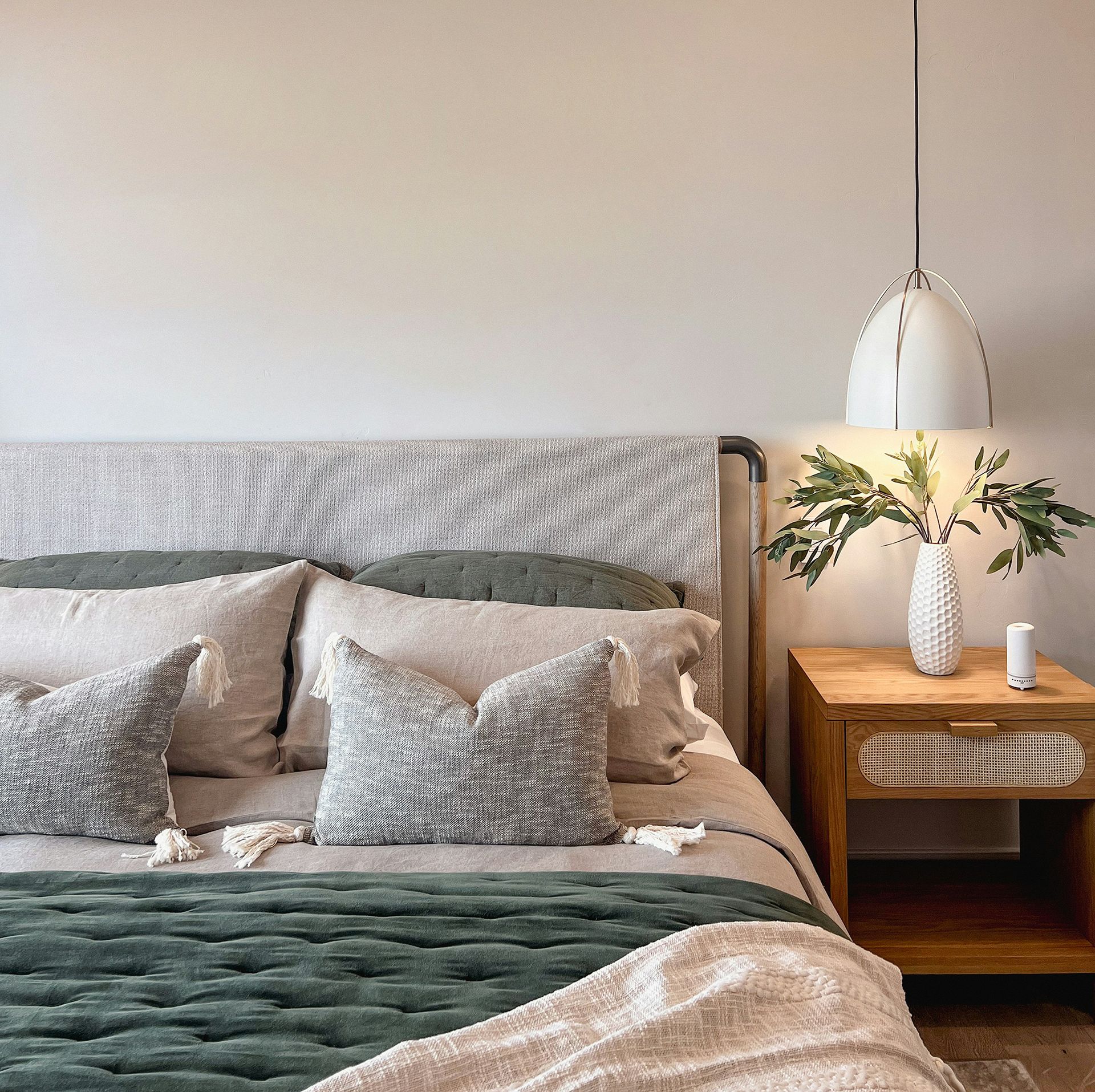
Try to avoid images that feel too staged, too dark or too empty. People do not always need to appear in every image, but your hotel should feel alive. A drink on the terrace, breakfast by the window, a turned-down bed or a glowing fire can add atmosphere without making the image feel forced.
Details matter too. Cushions, flowers, table settings, local produce, spa products and welcome trays can all help tell the story of care.
Keep your image library organised
One common issue for hotels is that images get stored everywhere. Some sit on a desktop. Some are with an agency. Some are in Dropbox. Some are old, some are new, and nobody is quite sure which ones should be used.
This can lead to inconsistent marketing.
A simple image library can save time and protect your brand. Group images by area, such as bedrooms, food, spa, weddings, exterior, team and local area. Label the newest images clearly. Archive anything that no longer reflects the hotel.
Our top hospitality photography tips:
- Open your website homepage on your phone and look at it as a guest would. What do the first three images say about your hotel? If they do not reflect the experience you offer today, it may be time for a refresh.
- Check your website analytics and identify your top five most visited pages. Review the photography on those pages first.
- Make a quick list of the top five reasons guests choose your hotel. Then check whether your website photos show each one clearly.
- Look at your most profitable room types or packages. Do the images make them feel desirable? If not, prioritise these for new photography first.
- Set a reminder to review your photography every six months. You do not need a full photoshoot every time, but you should check that key images are still accurate.
- Add helpful image galleries to your key booking pages. Do not hide your best photos only on the homepage. Put them where guests make decisions.
- Check your key website pages on a mobile. Are the images clear? Do they load quickly? Can guests still understand the room, view or experience without pinching and zooming?
- Before taking or choosing a photo, ask: “What will this help the guest feel or understand?” If the answer is not clear, you may not need it.
- Create one shared folder called “Current approved hotel photography” and make sure your team knows to use it.
For more marketing know-how
Need more indepth guidance on boosting your direct bookings? Get in touch.